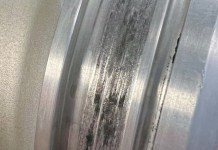
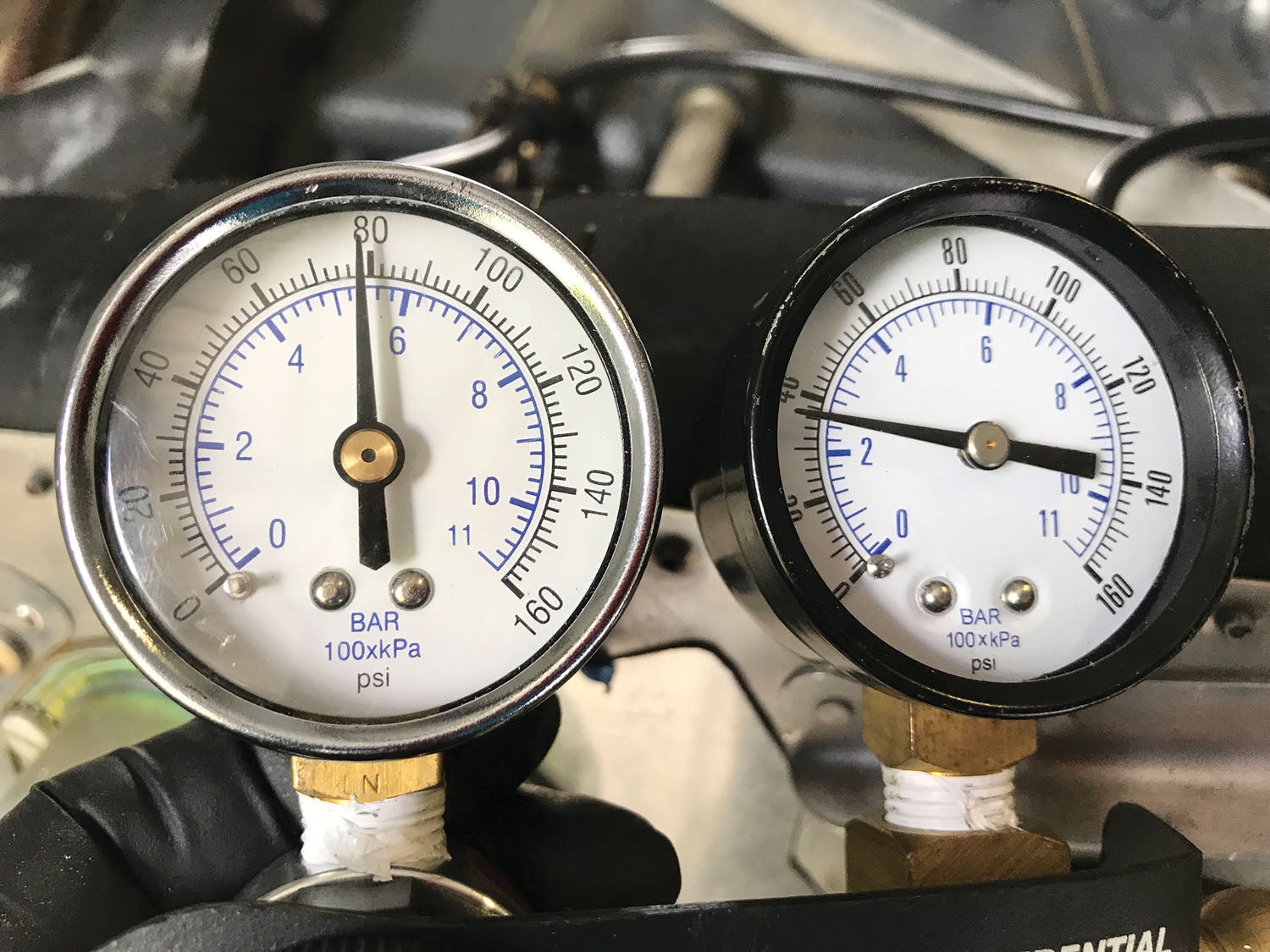
Usually, we look for something greater than 60/80 when doing compression checks on Lycoming engines. A reading such as this one (36/80) really warrants further investigation. In this case, a borescope picture showed an exhaust valve that was in danger of imminently failing. It’s easy to find the air leakage when doing a compression test by placing your ear at either the oil filler tube (usually indicates leakage by the rings) or at the exhaust stack (will indicate exhaust valve leakage) or at the air intake (which will indicate a leaking intake valve).
![[Credit: Wikimedia Commons]](https://www.kitplanes.com/wp-content/uploads/2026/07/4_rutan_a_longez.jpg_preview.jpg?w=218&h=150&crop=1 "Rutan Symposium Turns to the Coming Canard Maintenance Crisis")
![[Credit: Lisa Turner]](https://www.kitplanes.com/wp-content/uploads/2026/02/Fuel-Selector.jpg?w=218&h=150&crop=1 "Fuel Follies")