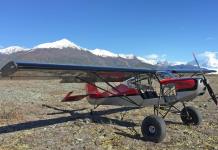
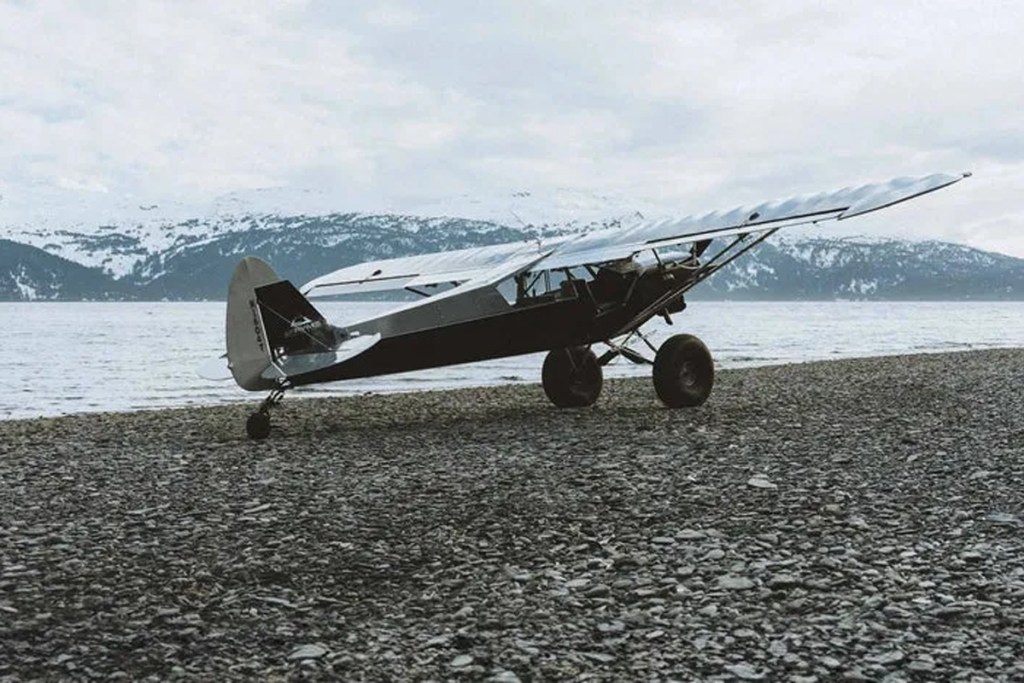
If you fly off gravel bars, ridge strips, or anything that only loosely qualifies as a runway, the odds are decent you have a T3 tailwheel suspension hanging off the back of your airplane. And if you don’t, you have probably watched the pilot tied down next to you roll gently across a washboard while your own ship rattled your fillings loose. That small piece of suspension engineering has quietly become one of the more consequential aftermarket upgrades in modern backcountry flying.
On June 10, McFarlane Alaska announced it had acquired the T3 tailwheel product line outright, folding the brand fully into its backcountry portfolio. The two operations were already joined at the hip — McFarlane has been manufacturing T3 components for years under a close partnership. Now, the well-regarded specialty line is moving under the roof of a larger FAA-PMA shop with substantial engineering, inventory, and distribution depth.
For Experimental builders, that is the headline. The T3 Tailwheel Suspension System fits a long list of taildraggers familiar to KITPLANES readers — the Aviat Husky, Kitfox, the RANS line, Glasair tailwheel conversions, and on the certified side, the Piper PA-18, Cessna 170, and various Maules. The geometry is straightforward in concept and clever in execution: a sprung link that soaks up the violence of an imperfect three-point, reduces shock loads into the tail spring and aft fuselage, and gives the pilot a measurably more controllable rollout when the surface decides to argue.
The T3 does not turn a marginal stick into a Valdez competitor. What it does, by every account I have collected from operators over the years, is widen the margin between a hard arrival and a bent airframe. That is the kind of incremental gain homebuilders appreciate. We spend money to shave knots off stall speed, add inches of prop clearance, and stiffen gear legs by thousandths. A suspended tailwheel is a logical extension of the same thinking.
McFarlane Alaska says it will invest in expanded manufacturing, more inventory, and new product development on the platform — presumably including applications for airframes theline does not yet cover. For builders who have waited on backordered parts, the inventory piece may matter as much as the roadmap. McFarlane Alaska’s Sean McLaughlin framed the deal as keeping the products “in the right hands,” with continuity of support for the pilots and mechanics who depend on them. From a shop with a long PMA track record, that is more than boilerplate. It is also worth noting that McFarlane sits inside Victor Sierra alongside APS, Av8, and Tempest Aero Group — a quietly assembled family of aftermarket brands now covering much of the GA service stack. Done well, that scale means better-supported parts and faster development.
For now the practical news is simple. T3 products remain available, part numbers do not change. If you are planning a tailwheel build or eyeing a suspension upgrade on the airplane already in the hangar, the T3 line is worth a hard look — and the company behind it just got considerably larger. More at McFarlaneAviation.com.