![Maintenance technician William Vergonet conducts an inspection on a Cub. [Credit: Lisa Turner]](https://www.kitplanes.com/wp-content/uploads/2026/09/IMG_3535.jpg?resize=1024,682)
Meg Godlewski gave us a great set of reminders in FLYING Magazine — “The Art of the Debrief: Don’t Rush the Most Important Part of the Flight,” published in the FLYING, April, 2026 issue — about the importance of a good debrief by instructors after a flight. I began
thinking about that and thought about the importance of applying the same principles to maintenance.
We can call this a postflight review or inspection. Only about 10 percent of the pilots I know do this. Why? Because they don’t understand the value of a maintenance “debrief.”
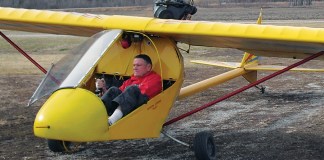
It does not matter how simple or how complex your aircraft is. Even the basic Cub deserves a post-flight inspection. Why don’t pilots do post-flight inspections? You probably already know the reasons. They are late for an appointment. They don’t feel like it. Someone comes up to them as they park the airplane. Everything was fine on the preflight. Everything was fine on the flight. You name it, I’ve heard it.
Here’s why you should do a postflight. Things change over time. As we’re flying, we’re natural optimists; everything is fine, and that is exactly what we want. We have enough other worries in life to worry about the airplane developing problems. When we land, we consider the flight a success, and that tricks us into not noticing things like oil or fuel leaks that can reveal themselves once the engine is warm, and chafing that only happens when things have had a chance to bump around a bit.
Here’s how to do a post-flight maintenance inspection. I recommend that you actually have a checklist for postflight, adapted specifically to your aircraft.
Did you really turn everything off? Double check. Did you collect flight bags or other things from the cockpit that you’ll miss later?
When you get out of the cockpit, walk a distance from the airplane and walk around it. Notice stance and anything else unusual. Then move in closer. Look for unusual streaks and definitely look at the belly. Yes, you might need to get on the ground to see everything. Engine system leaks will show up here. One time I added some oil to the Rotax tank prior to flight. I added too much. Guess where it went? The entire length of the underbelly. It wasn’t visible unless I got on the ground to look.
Check tires for anything unusual and look at the gear for the same.
Take a good look at the propeller. Does everything look the same as it did on your preflight? Do you notice any new streaks or damage? We forget that both taxiways and runways can have debris, throwing it up into the prop without us noticing it.
Remove the cowl and check clearances between hoses, the exhaust, and other systems. Any leaks? This is the time for them to reveal themselves because everything is still hot. Don’t start any cleaning until you do these inspections, since the evidence will be gone after cleaning.
If you’re in a rental, record Hobbs and/or Tach times and make any notes for the flight school and/or the next pilot. Record your time in your own logbook. Don’t forget the chocks, pitot cover and control or other locks on the airplane.
Grab a clipboard and note any issues or problems you see.
If this is your aircraft, consider giving it a bath. At least clean the window/canopy. You will surprise yourself the next time you fly.
Doing a postflight inspection will reduce the number of surprises you encounter both in the air and on the ground, improving your safety margins.
This article first appeared in the 2026 August Issue of KITPLANES magazine.