New FAA regulations unlock additional utility for popular kit designs
The homebuilt aviation community welcomed a significant milestone on October 22 when the FAA’s MOSAIC (Modernization of Special Airworthiness Certification) regulations took full effect.

Some models gain substantial useful load increases
The new rules eliminate the restrictive 1,320-pound gross weight limitation that constrained Light Sport Aircraft since 2004, replacing it with a performance-based standard centered on a 61-knot stall speed in the landing configuration, rather than arbitrary weight limits.
Zenith Aircraft Company’s CEO, Sebastien Heintz, circulated a company message about the large fleet of builders and owners who emerged as among the first beneficiaries of the regulatory modernization. “We are thrilled that Zenith owners and pilots are now able to benefit from this new FAA rule,” said Sebastien Heintz, president of Zenith Aircraft Company. “This provides them with additional utility and capability, maximizing the value of owning a Zenith.”
For Zenith—the number one brand of LSAs in the United States with 1,030 aircraft and three different models occupying the top three slots in FAA registration data—this regulatory shift unlocks substantial operational improvements for existing aircraft owners and future builders.
Immediate Weight Relief for Popular Models
Many of Zenith’s most popular builds, including the STOL CH 750 and CH 750 Cruzer, feature design gross weights of 1,440 pounds—120 pounds over the previous LSA restrictions. According to the company, CH 750 owners whose aircraft are registered as experimental amateur-built (E-AB) can now choose to increase their gross weight to the full 1,440-pound design limit, provided they meet the new stall speed requirements.
The most dramatic beneficiary of MOSAIC is the STOL CH 750 Super Duty. This larger, more capable version was introduced in 2017 with a 1,900-pound design gross weight, a 33-foot-5-inch wingspan (versus 29 feet-10 inches for the standard CH 750), 162 square feet of wing area, and accommodation for a third occupant on a rear jump seat. The Super Duty was engineered from the outset for operations well beyond LSA limits, typically powered by engines in the 150-230 horsepower range, including popular choices like the 205-hp IO-375.

The standard STOL CH 750, with a typical empty weight of 775 pounds, was previously limited to a 545-pound useful load under the 1,320-pound LSA restriction. Operating at the full 1,440-pound design gross weight now provides 665 pounds of useful load—a 120-pound increase that can translate directly into additional fuel capacity, baggage, or enhanced operational margins. With a 39-mph stall speed and a 42-inch-wide cabin (expandable to 50 inches at the shoulders with standard bubble doors), the CH 750 combines exceptional STOL performance with newfound payload flexibility.
The CH 750 Cruzer, optimized for higher cruise speeds while retaining respectable short-field capabilities, similarly benefits from the weight increase. With an empty weight of 780 pounds and the ability to cruise at 118 mph, the Cruzer gains the same 120-pound useful load advantage when operating at 1,440 pounds gross weight rather than the legacy LSA limit
Under legacy regulations, the Super Duty’s 1,900-pound gross weight placed it firmly outside LSA territory, requiring either a Private Pilot certificate with a medical or operation under BasicMed. MOSAIC’s elimination of weight restrictions now enables Sport Pilot certificate holders to operate the Super Duty, provided the aircraft meets the 61-knot stall speed requirement—a threshold the Super Duty comfortably achieves with its 34-mph (approximately 30-knot) stall speed.
Implementation Requirements
Zenith emphasized that owners wishing to increase their aircraft’s gross weight must follow established procedures detailed in their operating limitations. This includes completing the “major change” process, which requires returning to Phase I flight testing to demonstrate the aircraft at the new weight and making appropriate logbook entries documenting the change.
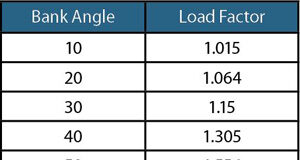
The company also cautioned that increasing weight or speed decreases structural margins, and builders must respect the design limitations of their aircraft. Load factors for Zenith aircraft are rated at +6/-3 G ultimate, providing robust margins for normal operations, but operators should ensure their specific build quality and configuration support higher gross weight operations.
For a community that has long championed the freedom and flexibility of experimental amateur-built aircraft, MOSAIC represents validation of performance-based regulation over arbitrary limits—and for Zenith’s extensive builder and owner network, the benefits are immediate and tangible.