
Mel Asberry

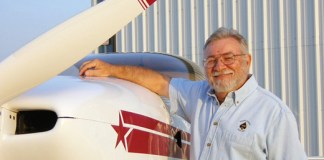
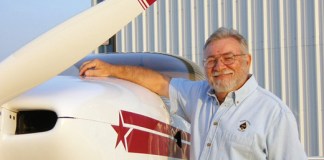
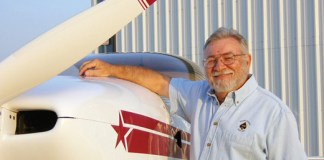
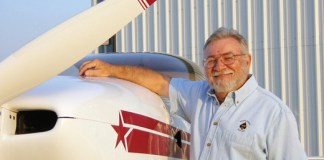
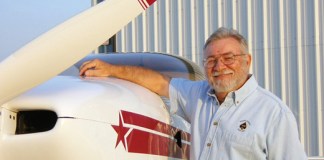
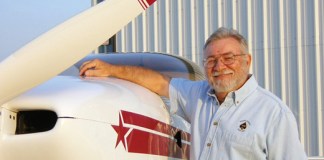
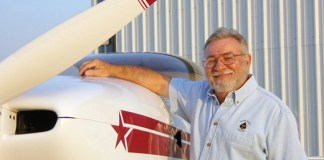
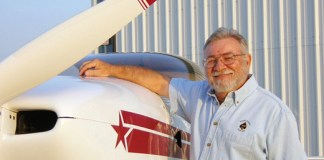
Mel Asberry is an experienced Designated Airworthiness Representative specializing in Experimental/Amateur-Built aircraft. He and his wife, Ann, have built seven amateur-built airplanes including two ultralight types, a Moni Motorglider, a Dragonfly Mk2, two RV-6s and a Zenair CH 601HDS. They are currently building a scratch-built biplane.
Ask the DAR
Applying for a Repairman Certificate, importing Experimentals, converting an SLSA Cub to ELSA.
Ask the DAR
Complying with the 51% rule, bringing Canadian aircraft into the U.S., adding auxiliary fuel tanks, using non-TSOd ADS-B in an Ercoupe.
Ask the DAR
Transferring an aircraft's repairman certificate, replacing a lost airworthiness certificate, converting a certified aircraft to Experimental.
Ask the DAR
Proving compliance with the 51% rule, licensing ELSA or E/A-B, using an LSA commercially.
Ask the DAR
Condition inspections, N-number problems, removing an electrical system and transponder.
Ask the DAR
Overweight LSA, paperwork confusion for a DAR inspection, converting an SLSA to an ELSA.
Ask the DAR
Two engines, one prop; ownership without a sales receipt; ultralight registered as E/A-B.
Ask the DAR
Confusion about FAA Form 8130-12, replacing the 2-inch Experimental placard, selling an engine.
In Case You Missed It

Wind Tunnel
This month we use the accumulated flight-test data to determine what exactly is causing the unacceptable flying qualities of the airplane so that the best way to fix the problem can be identified;
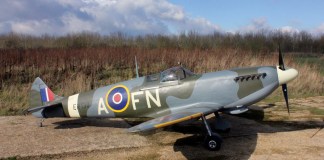
Spitfire Squadron Scrambles Again
At Enstone, U.K., groups of builders are creating Spitfire replicas. By Geoff Jones.

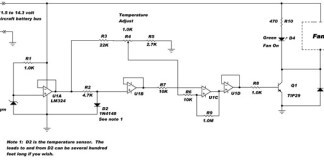
Aero ‘lectrics
Heat and avionics don't get along all that well. Rather than installing a fan that runs all the time, Jim Weir suggests building and using a fan that runs only when you need it.