
New Trends Show Shifts in Homebuilding
For decades, the image of the homebuilder was a solitary craftsman—plans spread out on a workbench, a build log kept strictly in pencil, and each rivet a solitary accomplishment. The tides, however, are starting to shift. Participation in homebuilding remains strong, but the way people engage with the process is evolving, and so is the character of the community.
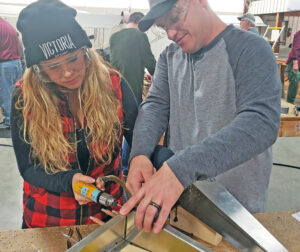
Classic Scratch Build is Yielding to Kits
Recent discussions highlight an apparent change: the classic long-haul project is waning in popularity. While stalwart designs and nostalgic builders keep traditional scratch-building alive, most newcomers now gravitate toward comprehensive kits or even builder-assist programs. The appeal is simple—more predictable timelines, reduced need for specialized tools or facilities, and, crucially, a faster path from investment to first flight.
Some industry voices draw a parallel with the classic car and vintage motorcycle communities. There’s plenty of enthusiasm, but fewer are starting entirely from scratch. Instead, many builders are seeking social connection, technical knowledge, and tangible progress. Builder-assist shops, once niche, are now seen as vital on-ramps for those who crave the experience but lack either the workspace or decades of spare evenings.
Turnkey kits, too, are gaining respect. Purists may grumble about the meaning of “amateur-built,” but the definition has always been flexible. If the FAA is satisfied that the builder is meaningfully involved, the methods are fair game. The result is a broader and arguably more robust community—one that welcomes both perfectionists and pragmatists.
Anecdotal evidence points to cross-generational interest, though most participants remain drawn from the ranks of second-career professionals and retirees with some disposable income. Next-generation involvement remains a challenge, though high schools, technical clubs, and EAA chapters are making inroads through hands-on workshops and sponsored build projects.
The Solitary Builder is Seeking Support
One striking trend is the growing appetite for social and technical support. Online forums, chapter meetups, and even builder-specific apps have transformed the experience. Builders can troubleshoot in real time, find mentorship for demanding tasks, and earn camaraderie that used to be reserved for the local EAA pancake breakfast.
Looking ahead, the custom homebuilt market will likely look less like a guild of lone artisans and more like a network of collaborators, problem-solvers, and educators. The core remains unchanged: building and flying something unique, practical, and safe. But the pathways now reflect a wider set of interests, abilities, and backgrounds. Whatever the method, the core satisfaction of homebuilding—making something one can fly—endures.