
![[All images credited to Mike Davenport]](https://www.kitplanes.com/wp-content/uploads/2026/07/DSC_6716.jpg?resize=1024,682)
You walk into the hangar you are immediately struck by the size of this aircraft. It occupies all the space available. It is a ‘true’ composite aircraft combining steel tube, fiberglass, and aluminum components as well as 3D printed parts including gear leg fairings, numerous small parts and air intake ducting.
In the December issue of Kitplanes, I described some of the work necessary to get Sean Walker’s Glastar Sportsman 2+2 built, painted and ready to fly.
For those of you just joining us on Sean’s journey, a short review is in order.
Sean is a second-generation aircraft builder following in his father’s footsteps as it were, deviating from his dad’s building material but not in the quality of his workmanship: As the saying goes, “the apple didn’t fall far from the tree”.
It has been a bit of a haul, having started in late 2016 but now, 10 years later in early the early spring of 2026, it is done. That is as much as any handcrafted aircraft is ever done. There is always something to add or modify but that is the nature of building an aircraft in your garage.
Sean purchased a large percentage of his components from others, who for what ever reason decided not to complete their project. One example was the fuselage, purchased from one who chose the carbon fibre component instead of the standard fibre glass units. Only the folding wing kit was purchased direct from Glasair. Sean has the choice of either the 31-inch Bushmaster tires or the 8.5-inch ones but the smaller ones will be used for the early flights.
One task that he farmed out was the painting. The paint shop was nearby, just on the other side of the airport. This greatly reduced the handling issues as it was possible simply to tow or taxi to the shop or back to the hangar. The three colors, white with dark blue and right yellow trim were sprayed in urethane and then clear coated for that final high gloss finish. The paint added an estimated 40 lbs of weight but having seen it, you will agree that the end justified the means.
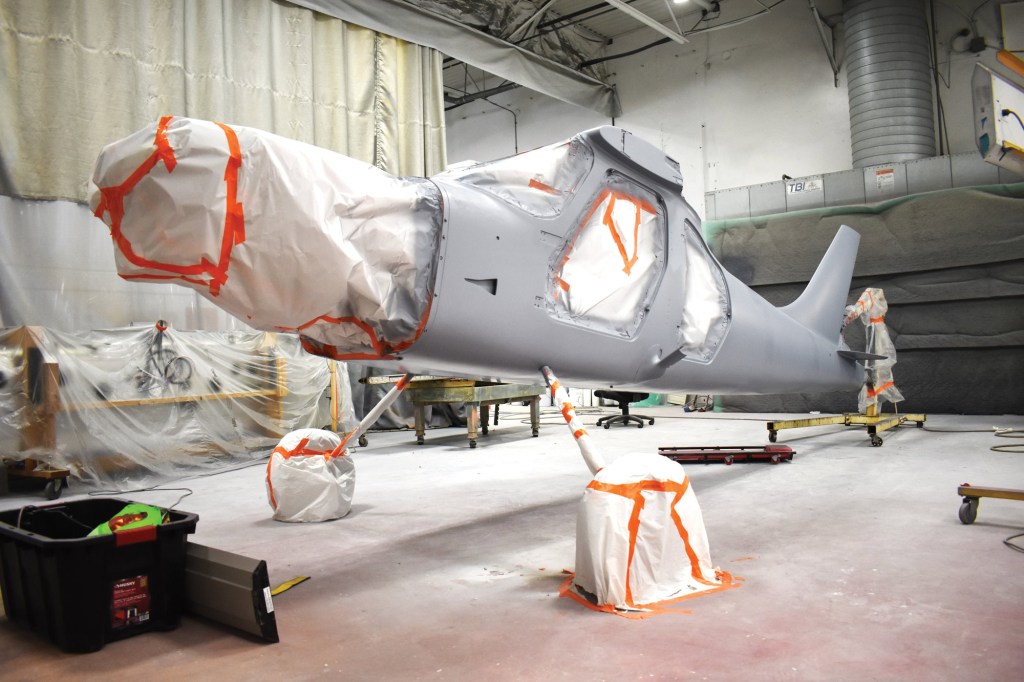
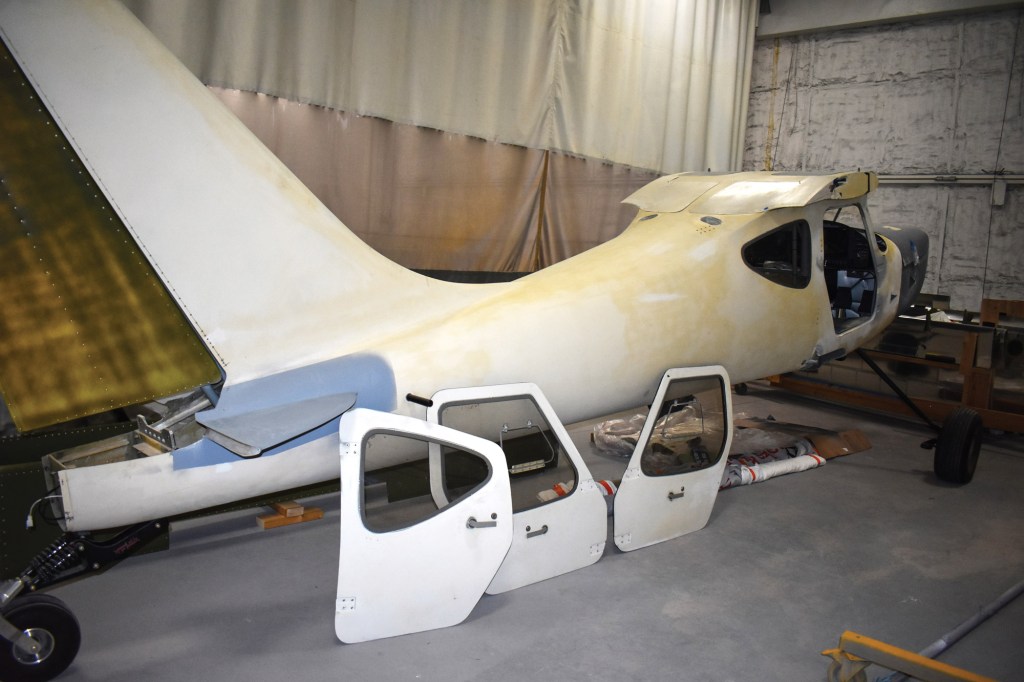
Once out of the paint shop, it was time, now that they were painted, to put all of the pieces together for the last time. The seats and upholstery were installed along with the 3D printed gear leg fairings. Sean’s background in electrical engineering naturally led to the installation of significant glass in the panel.
More unusual though was the installation of the Belgian UL520 220 hp engine and a 4-blade adjustable propeller from Airmaster in Auckland, New Zealand. What follows are the engine specifications (factory supplied) and the first flight performance as supplied by Sean.
The final inspection to satisfy the rules and regulations governing amateur built aircraft in Canada took place in early March. Due to his attention to detail, his Sportsman passed with no snags.
There was however one more hurdle to leap before that all important first flight. Sean’s insurance company required that he have a check ride with an experienced Glastar/Sportsman instructor in a like aircraft. This meant a trip south to Washington state. The check ride was quickly accomplished, no doubt made easier by his 700 hours of taildragger time in his Emeraude.
All of that to bring us up to the all important first flight. This may be interesting to many other 2+2 builders who have been waiting for the real time report.
All of the checks were done and the taxi tests showed no issues. The next task was to fly.
Sean planned the first flight for March 27, 2026. After several days of rain and high winds, on the designated day, the weather gods cooperated with both a high ceiling and light winds.
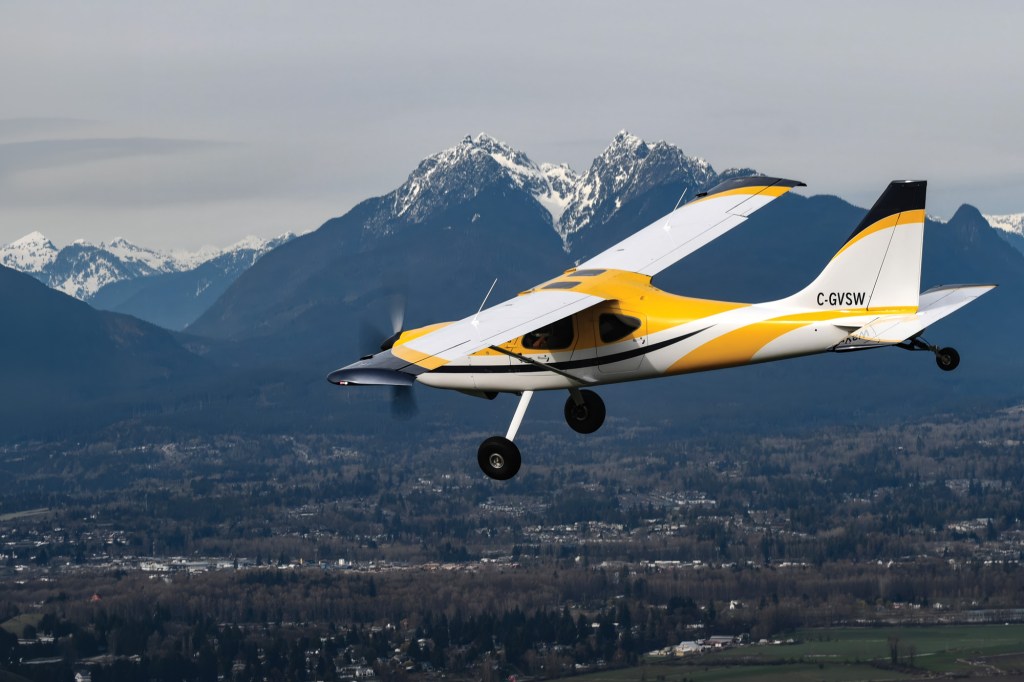
To look out for any abnormalities such as smoke or leaks, Lorne MacInnes provided his Cessna Cardinal RG to be used as the chase/photo plane. Glen Hoffman, also a Cardinal owner and an experienced formation pilot flew from the right seat while Lorne worked the radios, shot some video and provided a second set of eyes to ensure separation. Alone in back seat with lots of room to move around, the Cardinal provided me with a stable photo platform.
Scott Jackson, who would be riding ‘shotgun’ for the test flight, provided a detailed briefing. Scott is a well qualified builder and an experienced pilot with many RV test flights in his log, included a review all the goals and expectations. Included were the spacing with the photo plane, air speeds and elevation as well as the plan to deal with any issues that would require immediate attention and landing for either the Sportsman or the Cardinal. After the pre-flight briefing, a call to the tower confirmed the intentions as it would not be business as usual with two aircraft in close formation orbiting the field for up to an hour.
Runups completed, Sean took off first followed by the Cardinal but with each using different runways. This caused a minor glitch in the plan as the initial separation was far more than planned. That combined with the excellent rate of climb and speed of the Sportsman made it a little difficult for the photo plane to catch up. Some discrete corner cutting resolved that problem. Once that was sorted, the balance of the flight was at the briefed airspeed of 120 mph.
As Sean is more than just somewhat tall, six feet plus and somewhere north of 200 pounds and his very experienced tech advisor, Scott, also being of significant height and weight, the takeoff roll and the initial rate of climb were quite impressive.
One of the first checks to be done was for the crew of the photo plane to check for abnormalities such as smoke or oil leaks. None were seen and all was well.
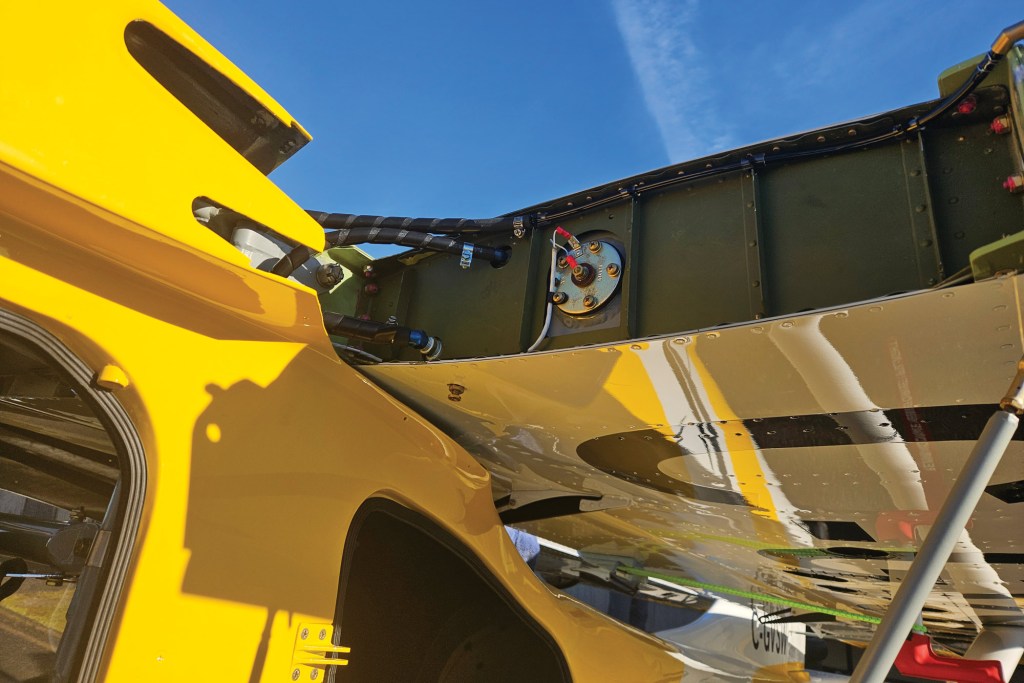
Following the takeoff the plan was to orbit the field at 1500 feet. The tower staff were very cooperative, providing separation and traffic advisories. The orbits were to keep the runway within range should there be a problem. However, as all the checks during the flight were normal, that portion of the plan wasn’t required until after 30 uneventful minutes, a warning light indicated that a landing should be considered. The warning light indicated a low fuel level in the header tank. To quote Sean, “there were no other alarms, the intercooler worked well…temperature into the engine was a maximum of 42 degrees and 37 degrees in a high cruise condition at 13 GPH, all in all it was a great day”.
In the following days and weeks, Sean flew the 2+2 almost daily while working his way through the 25-hour test program required by TC (Transport Canada). This time was well spent learning the handling characteristics of his new bird and making the adjustments that a project this size inevitably has.
Asked what the future might hold, Sean’s response: “finish the TC requirements and start the planning for Oshkosh.”

The Sportsman is a great plane; too bad it’s been abandoned for years. China needs to sell the company back to a US company, get it Mosaic certified, and start producing ready to fly versions. Most of us don’t have 10 years to build a project.
Comments are closed.