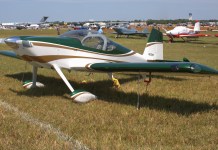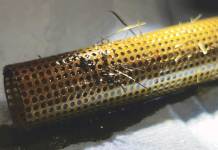
Kind of hard to see any nav light or strobe light through this lens! The culprit was the failed strobe bulb, but the real cause was a buildup of oil and exhaust residue inside the assembly. Standard practice on Van’s aircraft is to mount the tail/rear strobe light on the bottom of the rudder, right where all the oil and exhaust residue tend to accumulate. If the assembly is not sealed tightly when mounted, the oil and exhaust residue will find its way into the light assembly, contaminating the strobe tube and causing premature failure. Regular cleaning is a good preventative measure. Be careful not to touch the strobe flash tube with your finger, as that can leave contaminants on the bulb, shortening its life.
In Case You Missed It
Viewfinder
By getting an up-close look at the Sandberg reporting station in Southern California, Editor-at-Large Marc Cook finds out why the weather there is almost always worse than it is anywhere else in the L.A. basin.
Build Your Skills: Fabric
Who knew there was so much to consider when selecting a fabric for your aircraft project? Cotton or polyester? Light weight or heavy? STCs, TSOs, PMAs, FAA requirements. Poly-Fiber or Ceconite systems? Ron Alexander unravels the alphabet soup and explains how and why each fabric may be the way to go for a specific project.
Ask the DAR
Mel Asberry - 1
What are the lighting requirements for homebuilt aircraft that will fly at night, and do you need a wet compass if you have an EFIS in your panel?