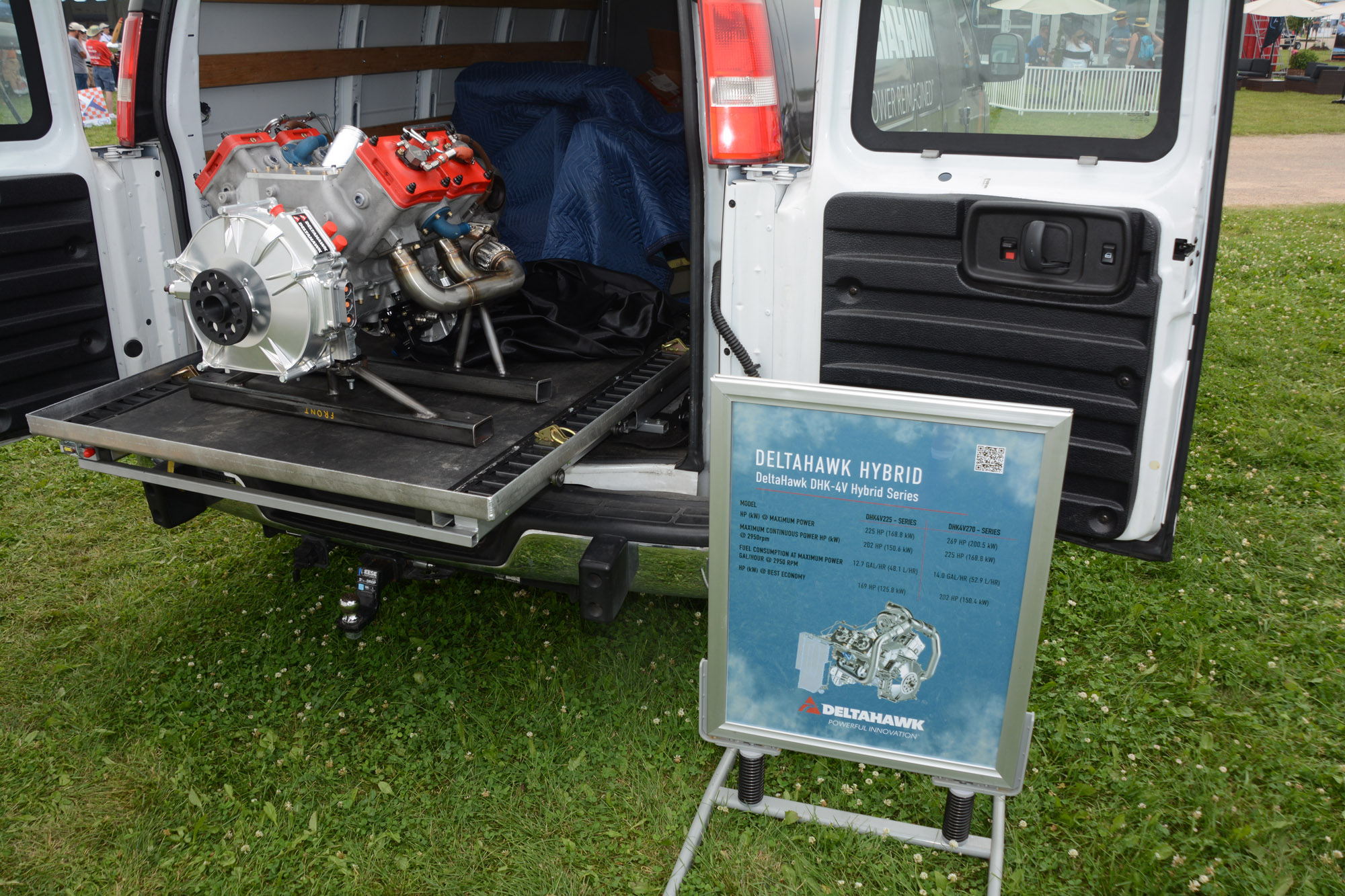
Spectating the Deltahawk saga has become quite the sport over the decades but regular fans are increasingly convinced we’re close to an overnight sensation.
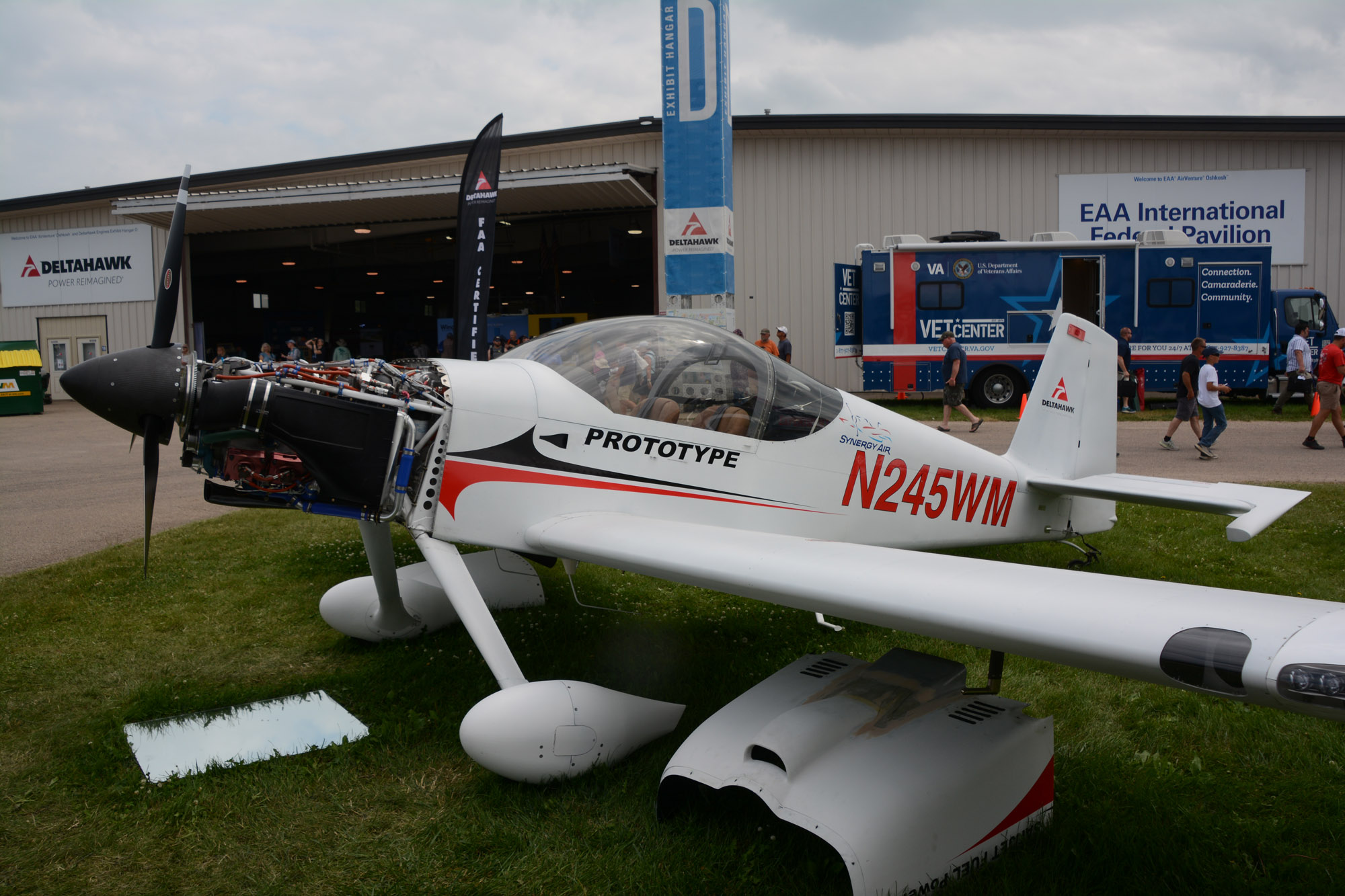
Best evidence is Deltahawk development builder Craig Saxton’s RV-14. Well, Craig’s RV-14 with the DH-180 Deltahawk engine in it. He has two RV-14’s flying (and third one building…) so the affable Craig can authoritatively speak to how the Deltahawk compares with industry standards. And those comparisons are definitely interesting.
To get right to the point Craig’s Delthawk powered RV-14 offers significant increases in range and fuel economy while maintaining all the speed and pleasant handling RV-14 owners expect. To wit, Craig reports a representative set of cross country numbers. At 11,500 ft cruising at 2390 rpm and 59.2 In Hg of manifold pressure fuel consumption was 7 gph and true airspeed 167 knots/192 mph. That calculates to 27.5 mpg.
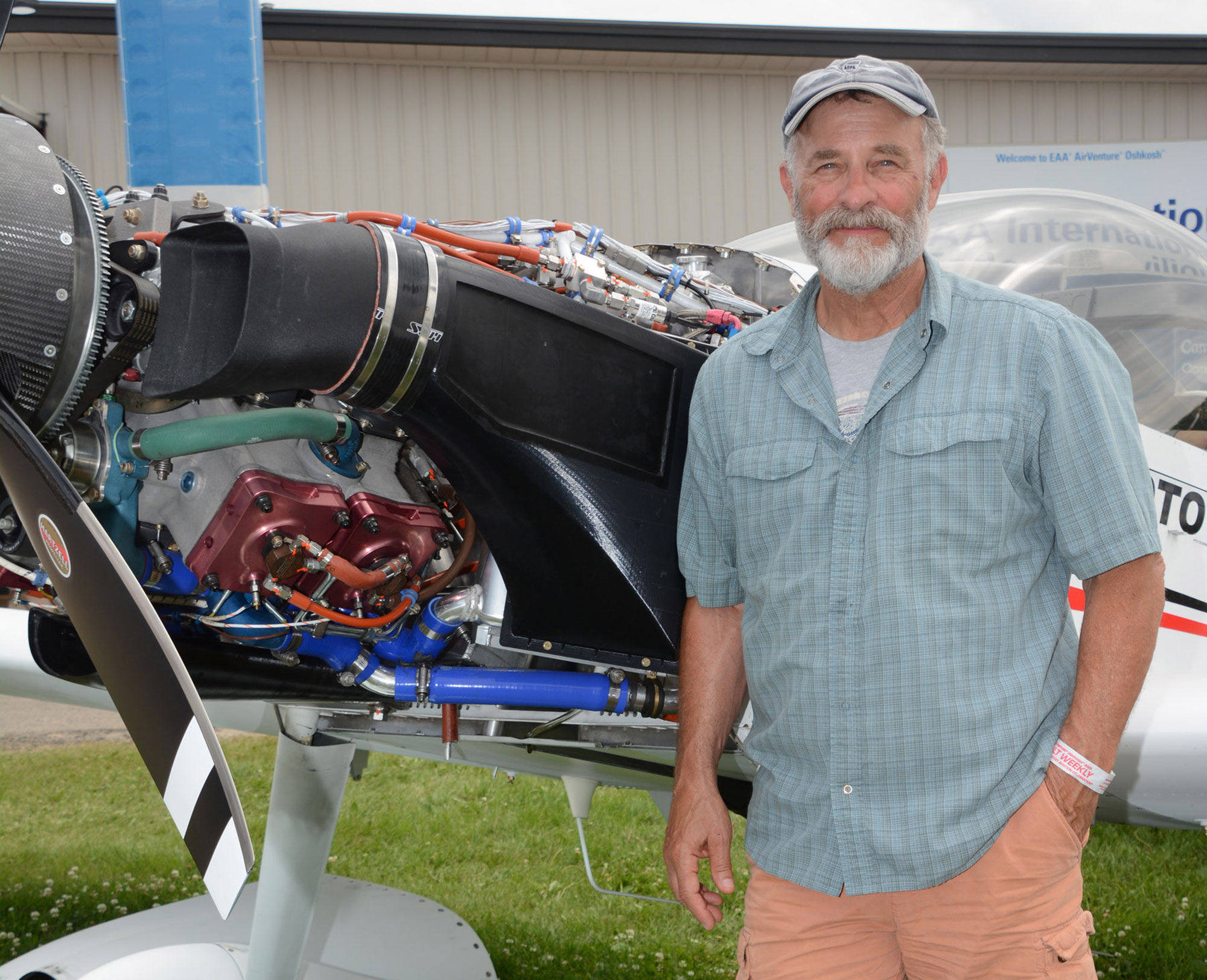
Craig says typically the DH-180 consumes 6.8 to 7 gph of less expensive Jet-A. He also speculates his Oregon to AirVenture jaunt could be done non-stop as something of a stunt, but quickly says a single fuel stop is the only reasonable tactic.
As for aircraft handling Craig says he can’t feel a difference between his Jet-A and gas RV-14s. His DH-180 engine does not have the most recent cylinder block (still being finalized) which offers a 15 lb weight savings, and the Deltahawk engine as installed is slightly heavier than his Lycoming fitment, the result being a small weight in the tail of the Jet-A airplane. That weight will be deleted in his third RV-14 because it will have the lighter block and detailed improvements to the oil cooler and other accessories bringing the Deltahawk installation to par with the Lycoming 390 weight.
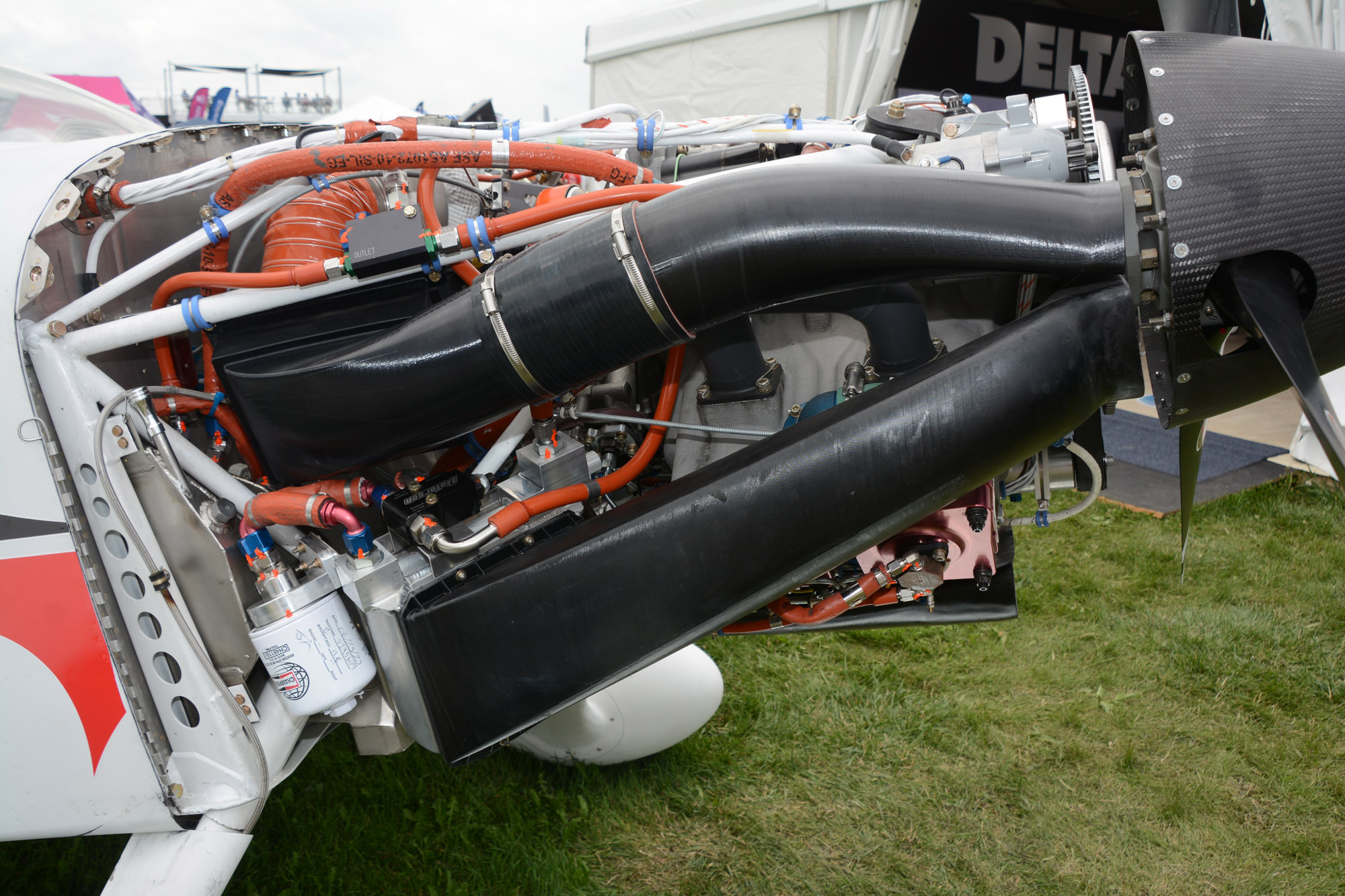

The one place the current DH-180 airplane has no advantage over the gasoline engine is rate of climb, but a few caveats need noting. Craig and Deltahawk have shown great restraint in keeping the DH-180 engine in Craig’s plane at its rated 180 hp, so it’s giving up 43 hp the IO-390 Lycoming in his gas RV-14. And Craig’s slightly heavier pre-production DH-180 block isn’t helping.
As is, Craig sees a 1750 fpm climb while flying solo on a near standard day; closer than expected to the gas plane given the power difference. Reduced cooling drag accounts for the better than expected performance says Deltahawk. Looking ahead Craig figures the production spec DH-180 installation in his upcoming third RV-14 will be 65 lbs lighter, plus moving up to 200 hp in the Deltahawk engine is pretty much a calibration change, so there’s more to go on the climb front. Of course, as a turbo engine the power remains more constant as the climb continues.
News from inside Deltahawk is relatively limited as the engine nears production specification after years of development. Certainly the revised, lighter block is oft mentioned but few mechanical changes are expected at this stage. Much behind the scenes movement with major airframe manufacturers and government agencies is mentioned as the Deltahawk line of engines hold considerable promise to those potential customers.