 The animal kingdom is a rich source of aircraft names, from the Sopwith Camel, to the Curtiss Hawk, to the Vickers Vildebeest, right up to the F-16 Fighting Falcon.
Not a lot of frogs on the list, though.
The Polliwagen (named for its pollywog-like shape and its use of a Volkswagen engine) scratched a lot of homebuilders’ itches in the ’70s and ’80s. Composites were in; Rutan VariEzes and Long-EZs were being produced in shops all across the world, and the Glasair was in an embryonic state southeast of Seattle.
But most of these new airplanes required traditional powerplants. People wanted to use Volkswagen engines but also desired higher performance.
Joseph Alvarez’s Polliwagen promised it, with a design cruise speed of 170 mph. After several years of developmental work, it was officially introduced at Oshkosh in 1980. By the end of that year, over 500 sets of plans had been sold. In the years to come, about 45 Polliwagens were added to the U.S. registry.
But as of January 2021, only two of those 45 Polliwagens are still there.
So what happened?
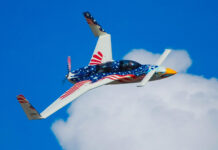
Most pilots looking at the design for the first time have one comment: “That seems awfully short-coupled.” The short length of fuselage aft of the wing can produce some issues with pitch control. This seemed to be an issue with the Polliwagen.
In May of 1995, Mark Hall wrote in the newsgroup rec.aviation.homebuilt: “I got a chance to fly in the prototype Polliwagon at Tullahoma in 1980. I have flown in a number of homebuilt aircraft, but this is the only one that I refused to allow any other member of my family fly in. The demo pilot was supposedly an airline pilot with tens of thousands hours experience, yet he seemed to have his hands full with this little monster.”
If you examine online photos of Polliwagens, you’ll find a large number of extended fuselages. Some builders upgraded from the Volkswagen to O-360s, usually accompanied by the fuselage mods.
Even so, the NTSB record shows only six reported Polliwagen accidents. Pitch problems were associated with several. Even more telling, four of the six were on their first or second flight. All were flown by the original builders.
An attractive-looking aircraft, but a careful checkout is suggested.