
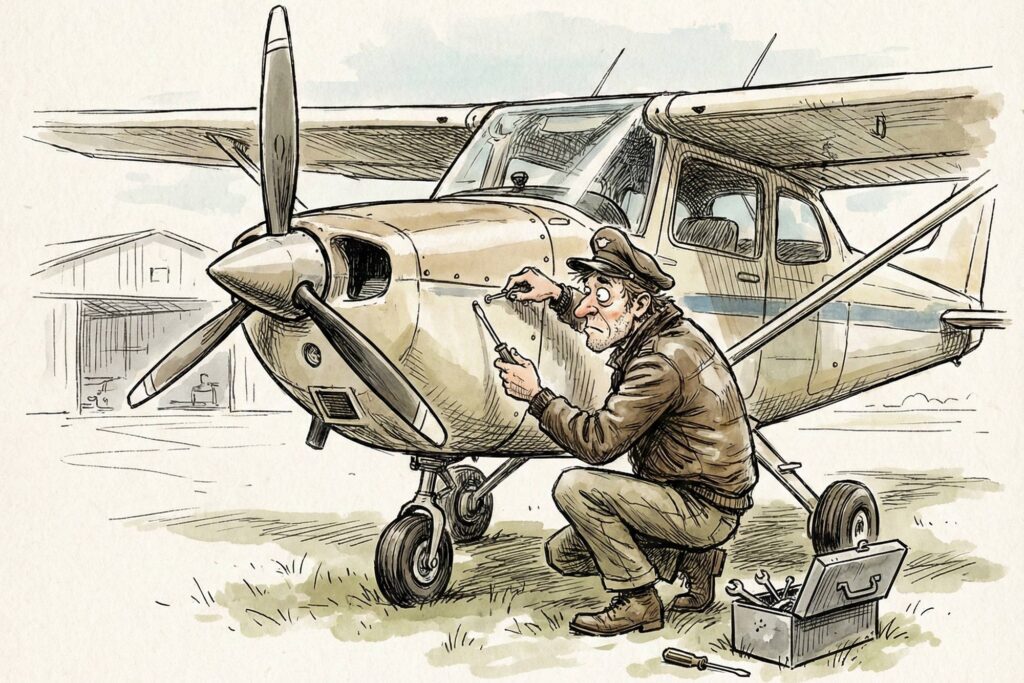
The stereotypical image of a test pilot is a Yeageresque individual in a flight suit with a test card strapped to one knee, fearless and steely-eyed. In reality, any of us ordinary blokes may be called upon to perform test-pilot duties, in various modes.
True experimental flight testing is a risky business, one beyond the scope of this discussion. Going boldly into untried regions of design, performance envelope and modification is not for most of us. However, it’s not unexpected that we will someday pick up an airplane fresh out of the shop after extensive work and be the first to see if it was put back together properly.
Some of the test flights that we might routinely encounter involve a freshly-overhauled engine, requiring a period of break-in time, or a new autopilot installation needing a shakedown. If an aircraft has been disassembled for fabric recovering, had repair of extensive damage, or has been sitting in pieces for years as a restoration project, that first flight after reassembly will definitely qualify as test piloting.
One decision you’ll have to make is whether or not to attempt the first-time levitation. If you have lots of flight hours in that particular plane, or one like it, and you’re current in all other respects, you’re probably the best-qualified one to do it. You’ll know the airplane’s habits, like its sticky cowl flap control or scratchy radio, and another pilot won’t. On the other hand, if you haven’t flown anything since your plane went into the shop last year, you have no business at the controls of a possibly-compromised aircraft. Let someone else do it.
Just A Maintenance Test
Perhaps of least concern will be first flight out of an annual or 100-hour inspection. It all depends on what work was done and how invasive the maintenance was. Removing and reattaching control surfaces or linkages, putting the panel or interior back in place, re-rigging landing gear and applying a new paint job, are all instances requiring some care when making the first-after flight.
As of this writing, I have one airplane in our fleet that has been undergoing maintenance for six months. Once it has the repaired landing gear back under it, I’ll have to give it a test flight. I do not anticipate difficulties, but I’ll maintain a heightened awareness of its tracking characteristics during taxi, takeoff and landing, and I’ll make that first touchdown using my best delicate technique.
According to FAR 91.407(b), no passengers can carried in an aircraft that has undergone maintenance, rebuilding or alteration that may have changed its flight characteristics until an operational check has been flown and logged in the aircraft records. Unless, according to paragraph (c), ground tests and inspections conclusively show the work has not appreciably altered or affected flight behavior. I don’t know about you, but I will defer passenger-carrying until we’ve made a flight test, “conclusive” inspection or no.
This also means that the initial after-repairs flight will be conducted under Day-VFR conditions, so that if a return-to-base is required it will be unhampered by low weather or darkness. Faith in your shop notwithstanding, don’t punch into the clouds without first conducting a clear-day shakedown cruise. If you’re picking up the airplane after work, be sure you can get it home before dark, just in case someone forgot to hook up wires or re-set circuit breakers.
Take your time when doing the first flight after even routine maintenance. Do a careful walk-around inspection, paying particular attention to cowling fasteners, fairings that may have been removed, gear doors and protruding screw heads. Check that new oil was actually added, and that fuel is in the tanks as you left it, even though the airplane supposedly hasn’t been flown. Is the new tire holding air, do the lights light, do the controls feel normal throughout their full travel? Take a moment to step back and look at the airplane; is it sitting level, do the paint stripes line up along the cowling, are all the hatches and windows latched?
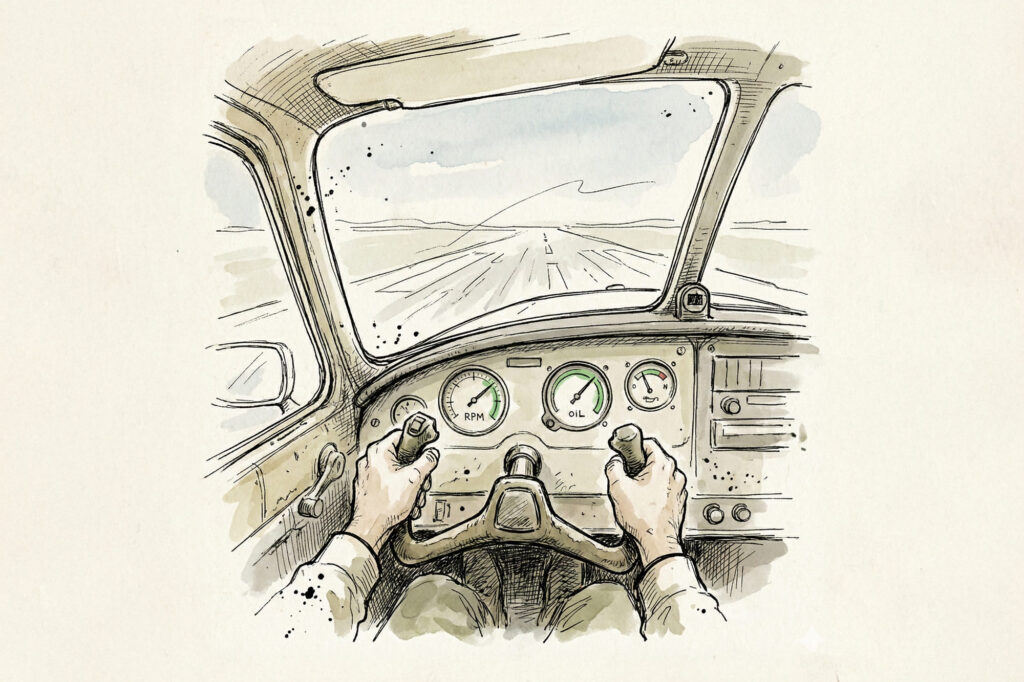
Once aboard, use the checklist, even if you normally skip it. This is a time to be alert for fuel valves turned off, switches and breakers open, avionics needing rebooting. If something is acting strange or not working, investigate the cause. During taxi, make a hard brake test and observe normal steering response. Step through the pre-takeoff checklist methodically, particularly free and correct controls movement, trim setting, instrument alignment and fuel supply selection. Don’t go until you’re fully ready, even if ATC is prodding you.
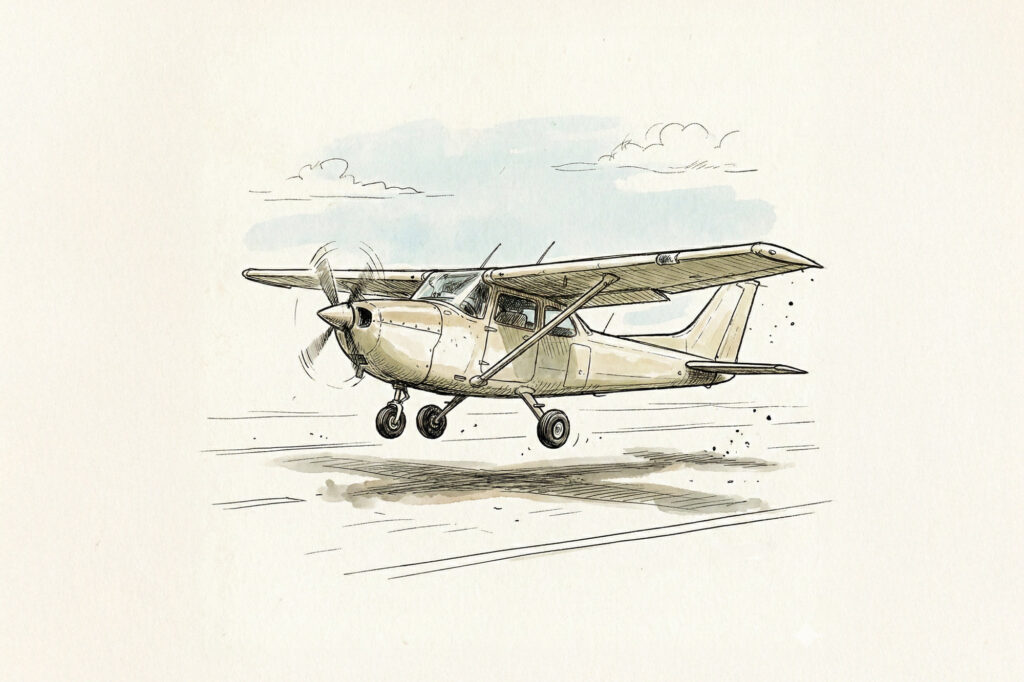
When you push up the power for takeoff, glance at the engine indications to make sure you’re getting normal power and fuel flow numbers, while there’s still time to abort. Is the airspeed coming alive, is the airplane feeling ready for flight? Place attitude in normal liftoff pitch and wait for the plane to fly. Go for airspeed first, to assure good aerodynamic control, then reach for altitude at Vy. If something turns up amiss, altitude is your friend because it buys you time. However, speed is life in fixed-wing aviation, so make sure you have enough of it.
Stay close by while feeling out the airplane and observing engine trends. As altitude increases, you can open up the cone of recovery by moving a little farther away from the runway. Reduce power only after you’re in a comfortable state of reserve energy. Keep testing any systems that have received attention while the aircraft was in the shop and observe temp and pressure trends. Head for your home destination only if you’re satisfied that all appears normal.
Going Where You’ve Never Been
Now, let’s consider your first-ever flight in an airplane unknown to you, perhaps one with recent maintenance history, or not, if it’s had long storage behind it. Either way, be particularly wary. Your first duty is to obtain instruction from a previous owner or an instructor experienced in type. Failing that, consult the last mechanic who worked on it, and then consider your experience level in aircraft of similar characteristics. If you can’t come up with some support for your effort, maybe this is one you don’t want to tackle; farm it out to someone else if you’re having any doubts.
If you’re going to try it on your own, learn all you can about the aircraft from the operating handbook or limitations, logbooks, type clubs and well-vetted verbal advice. Wait for a benign weather day, have an expansive runway and take no one with you who’s not capable of being a resource. Do not waste a lot of time running up and down the runway, doing hop-offs and touchdowns; once you’ve established valid ground-handling characteristics, commit to flight for the safety of altitude. If there’s any doubt about the plane’s airworthiness, you shouldn’t be attempting flight, or even high-speed taxi.
Watch for adequate and stable power indications on the takeoff roll, hold a steady climb-out attitude to achieve a safe airspeed, and touch nothing until you’re well above traffic pattern altitude. Then start the after-takeoff checklist and carefully watch for reactions to every move; see what trim changes occur with landing gear and flap retraction, ascertain that fuel flow stays up if an aux pump is turned off, listen, feel and smell what the airplane is telling you.
This is a proving flight for both of you, so stay close to the airport, leveling off with sufficient altitude to stay in that “recovery cone” that will get you back to the runway if there’s a need. Spend some time trying out the avionics and see what’s not working, verify proper instrument readings (not just changeless needles) and stay oriented. Switch fuel tank selection to test feeding and make sure the gauge indication properly shows usage from each tank. Try hands-off flight to check rigging and trim response, perform normal maneuvers and see if recovery follows stability as expected. Set up landing configuration and feel out an entry-to-stall, not a full breaking departure, just an indication of what airspeed begins to show the airplane’s disregard for continued controlled flight. Then you’re ready to head back for landing.
Follow the pre-landing checklist religiously, double-check readiness to land on short final, and stabilize approach path, speed and configuration. Anticipate a full-stop roll-out, or go around if a successful landing is doubtful. Touch-and-goes are not for first flights; if you feel comfortable enough to try another circuit, be deliberate about going back to the takeoff checklist and then follow up by verifying that you’ve reset everything you used in the landing.
When Flying A Rebuild, Expect The Unexpected.
For majority of us, the nearest we’ll ever come to experimental test flying is taking up an unproven airplane fresh out of rebuilding, or perhaps a just-completed homebuilt. In these cases, there’s much more likelihood of discovering something off-nominal, as engineers put it. Follow the procedures in the preceding paragraphs, but with heightened expectation.
Again, if you have the slightest doubt about the risk involved, step aside for a more-experienced individual. Should you be the one who’s done the work on the aircraft, you may very well be the best qualified; just make sure you haven’t neglected your flying skills while you were hands-on in the plane’s innards. The Experimental Aircraft Association’s Test Flying Manual, with progressively-advancing test cards, is an excellent tool, even for non-amateur built restorations. Now that the FAA has sensibly allowed an additional pilot on experimental Phase 1 flights, a qualified extra hand is worth considering.
An airplane that has spent months or years awaiting assembly should be flown only after enough ground testing has been done to prove the fuel system is trustworthy, engine performance and cooling are within spec, and both ground and flight controls are working as documented. When the big day comes, minimize risk as much as possible with calm air, perfect weather, and a support crew standing by. Make sure all the paperwork is in order and on board, just in case there’s an investigation.
On the takeoff roll with plenty of runway ahead, feel out the controls for correct response, staying ready to abort if things aren’t right. Only proceed if the engine and instruments are reacting as expected. Use minimal control inputs; this is a time for fingertip flying, letting the airplane tell you what it needs. Again, freeze pitch and roll attitude until well away from the ground. Then, note any wing-heaviness or yaw skidding and see how it acts as airspeed builds. Circle the field, open the performance envelope gradually and start operating all controls and systems. Keep the first-flight test card simple: fly it, test it, come back safe. There’s plenty of time for experimenting later.
Here are the key items I’ve learned over the years in making test flights. Stay high, stay local, stay in touch. Check things regularly. Keep track of the time. Make notes. And, lastly, it’s the “easy” little flights you expect to be uneventful that are the most apt to get you.
![[Credit: Wikimedia Commons]](https://www.kitplanes.com/wp-content/uploads/2026/07/4_rutan_a_longez.jpg_preview.jpg?w=218&h=150&crop=1 "Rutan Symposium Turns to the Coming Canard Maintenance Crisis")
![[Credit: Lisa Turner]](https://www.kitplanes.com/wp-content/uploads/2026/02/Fuel-Selector.jpg?w=218&h=150&crop=1 "Fuel Follies")





As a professional test pilot, let me add a few comments based on over 25yrs of experimental testing:
1. There’s no such thing as a “Routine Test Flight”. If it were “routine”, it wouldn’t be a test flight.
2. If a test flight seems routine, it should raise suspicions and make you question, “What am I missing?”,
3. As the author says, “Stay high, stay local, and stay in touch.” Communicate! Let people know what you are doing. If you are going to a practice area or another airport, make sure people know where and when to expect further communication from you. Climb circling the airport before venturing away so that you can be within gliding distance of a suitable airport (long enough runways, crash & rescue, downwind…?).
4. And finally, male sure you allow enough time in the day for a search and rescue to locate you. You may only be in a farmers field trying to get a bar of coverage on your cell phone. Or you may be severely injured in need of medical assistance. If no one knows where you are and/or the sun has set where you cant be seen, its up to you and the coyotes to survive – even if the airport and civilization are a stones throw away.
For those that may be old enough to remember, how long did it take to find Steve Fossett? Don’t become a Steve Fossett!
Comments are closed.